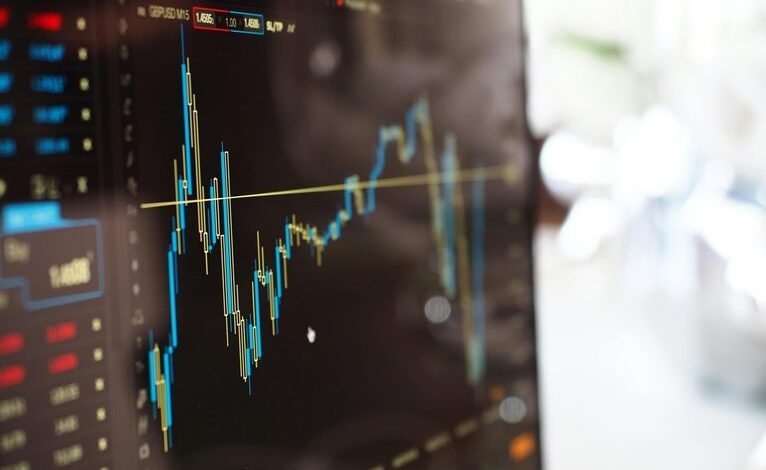
Global trade analysis, utilizing identifiers such as 6992577796 and 672975157, offers a framework for understanding complex trade patterns. These identifiers enhance data accuracy and support effective policy formulation. Their role in tracking economic performance and market dynamics cannot be overstated. As policymakers navigate evolving trade landscapes, the implications of tariffs and agreements warrant closer examination. What strategies will emerge to address these challenges in a competitive global market?
Understanding Trade Identifiers and Their Importance
As international trade continues to expand, understanding trade identifiers becomes increasingly essential for policymakers and analysts alike.
Trade identifiers facilitate data accuracy, enabling effective tracking systems that enhance economic significance. Adhering to global standards ensures consistency and reliability, which is crucial for informed decision-making.
Consequently, the policy implications of utilizing precise trade identifiers are profound, fostering transparency and efficiency in global commerce.
Analyzing Trade Patterns and Economic Performance
While trade patterns can reveal significant insights into a country’s economic performance, a thorough analysis requires a multifaceted approach that considers various factors such as export-import dynamics, market access, and geopolitical influences.
Economic indicators, including export statistics and import trends, inform assessments of market fluctuations.
Additionally, understanding trade routes and regional partnerships is vital for evaluating a nation’s competitiveness and long-term economic resilience.
Impact of Tariffs and Trade Agreements
How do tariffs and trade agreements shape the global economic landscape?
Tariff effects can disrupt market equilibrium, raising prices and limiting consumer choices.
Conversely, trade agreements often facilitate smoother transactions, fostering economic cooperation and growth.
Future Trends in Global Trade Dynamics
Emerging trends in global trade dynamics indicate a shift towards greater digitalization and sustainability, reshaping how nations engage in commerce.
The rise of digital currencies and e-commerce growth reflects technological advancements that enhance supply chain resilience.
Concurrently, geopolitical shifts necessitate the adoption of sustainable practices, driving policy changes that promote environmental responsibility while fostering economic freedom and innovation in trade relations.
Conclusion
In conclusion, the integration of trade identifiers such as 6992577796, 672975157, and others is not merely a technical enhancement; it represents a commitment to precision in global trade analysis. By illuminating trade patterns, informing policy decisions, and adapting to shifting market dynamics, these identifiers empower nations to navigate complexities with confidence. As the world evolves, fostering transparency and efficiency in commerce will remain paramount, ensuring that nations can thrive in an interconnected economic landscape.