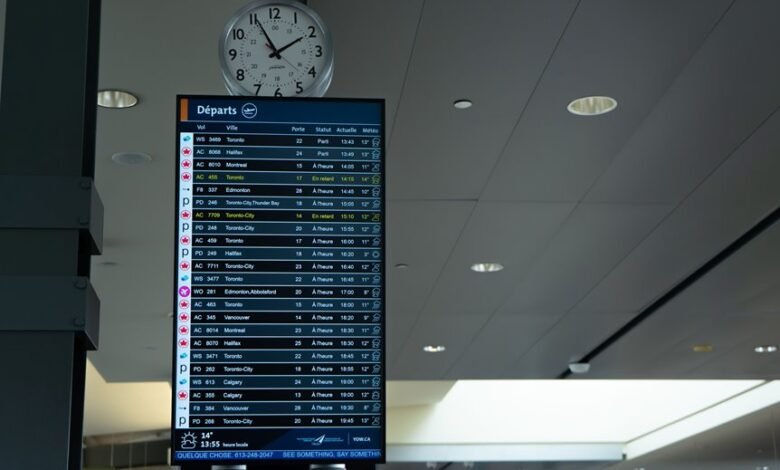
Departure time sets the stage for travel, shaping feasibility, connections, and pacing with each minute. Early or late departures redraw option sets and crowd dynamics, influencing choices under pressure. Gate disputes, delays, and routines reveal how time becomes a contested resource and a signal of risk tolerance. Systems, decisions, and mistakes compound pushback, turning scheduling into a governance problem. The outcome hinges on timing—and the consequences tempt the next move, inviting closer scrutiny.
Departure Time Sets the Stage for Travel
Departure times set the framework for travel by shaping itinerary feasibility, connection opportunities, and overall trip duration. The analysis notes how departure choices influence arrival rituals and crowd dynamics, affecting pacing and space.
A detached assessment reveals that early or late departures alter decision latitude, enabling or restricting options.
Freedom-seeking travelers weigh timing against efficiency, comfort, and personal risk tolerance.
What Makes Gate Fights and Delays Feels Personal
Gate disputes and delays feel personal because they intersect with individual goals, discomfort, and perceived fairness, amplifying the emotional weight of time loss. The dynamic reflects late departure pressures, causing personal friction as travelers evaluate alternatives, stakes, and control. Detachment reveals patterns: negotiation, blame, and ritualized routines. Outcomes hinge on communication, institutional clarity, and the perceived legitimacy of gate decisions.
The Systems, Decisions, and Mistakes Shaping Pushback
The pushback to delay and displacement arises from a confluence of system design, decision protocols, and human error.
In this framing, systems thinking reveals how interdependent processes propagate friction, while decision biases skew judgments under stress.
Turning Chaos Into Clarity: Small Wins and Practical Takeaways
From the analysis of systemic friction and decision-making biases in the preceding subtopic, small, targeted actions can illuminate paths from disorder toward order.
The approach emphasizes two word discussion ideas, modest experiments, and visible metrics.
Chaotic passengers become manageable with clear cues and process checks.
Boarding fatigue is mitigated via predictable steps, concise guidance, and frequent, brief updates—enabling freedom through disciplined, actionable containment of variability.
Frequently Asked Questions
What Is the True Cost of One Delayed Departure?
The true cost of one delayed departure equals the cumulative impact of Delayed Operations and Passenger Impact, including lost time, cascading schedule disruption, operational inefficiency, increased fuel burn, and diminished traveler satisfaction across affected journeys.
How Can Passengers Influence Gate Conflict Outcomes Constructively?
The answer, gently framed, notes: constructive influence and passenger collaboration can ease gate conflicts; proactive communication, orderly queueing, and clear feedback channels empower passengers to shape outcomes without confrontation or disruption.
Do Weather Events Disproportionately Affect Departure Time Decisions?
Weather variability can disproportionately shape departure time decisions, as crews adjust sequences and margins; pilot workload often rises during disruptions, influencing cargo and passenger considerations while operations seek stability amid uncertain conditions.
Which Flight Data Metrics Predict Future Pushback Accurately?
The data shows departure metrics and pushback timing together predict future pushback accurately, ironically suggesting that schedules flourish where variance is minimized, and analysts relish order. They prefer concise, analytical insight for a freedom-seeking audience.
What Are the Best Personal Routines During Boarding Chaos?
During boarding chaos, analyze routines to identify stress triggers and optimize flow, maintaining calm presence during boarding. The approach emphasizes concise, analytical practices that empower individuals to preserve composure while navigating time-sensitive disruptions and personal space.
Conclusion
Departure time acts as a hidden governor of travel dynamics, constraining options and amplifying pressure with every minute that ticks by. An interesting statistic underscores this: flights that depart within a 15-minute window of their scheduled time experience substantially higher gate congestion and traveler stress than on-time departures, even when overall delay is comparable. The result is a feedback loop where timing determines access, perceived fairness, and the pace of decision-making, turning punctuality into a strategic advantage or a costly misjudgment.