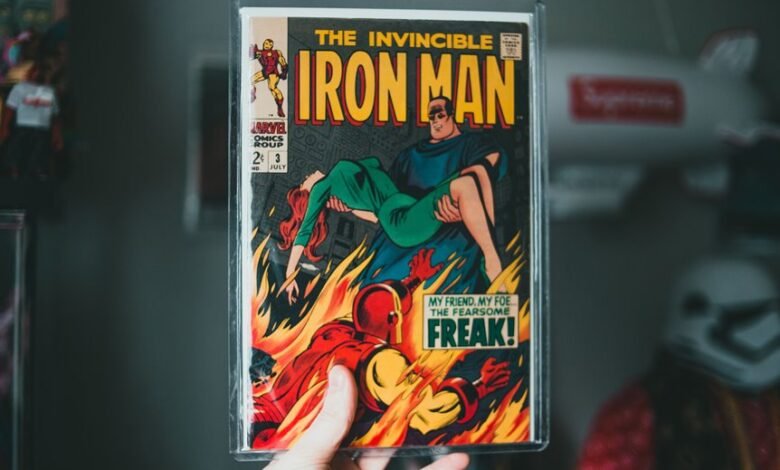
Light novels and manga differ primarily in format and emphasis. Light novels rely on prose and internal narration, guiding interpretation through inner perspective and exposition. Manga relies on visual pacing, dialogue, and panel composition to convey mood and action. The two forms shape reader experience through format, pace, and art, while production blends writing, art, and layout. Adaptations must balance fidelity with medium demands, translating cadence to panels or images to prose, leaving an opening for what comes next.
What Makes Light Novels and Manga Different
Light novels and manga occupy overlapping yet distinct realms within serialized storytelling. The analysis distinguishes format-driven conventions: light novels emphasize exposition through prose and internal perspective, while manga foregrounds visual pacing and dialogue through panels. Character names and worldbuilding depth become focal points: names hint cultural context, while depth emerges from integrated art, narration, and layout—shaping reader interpretation without redundancy.
How Format, Pace, and Art Shape Storytelling
Format, pace, and art jointly govern how stories unfold across light novels and manga, each modality leveraging distinct mechanisms to guide reader engagement.
The relationship between format pacing and narrative flow reveals how text drives inner access, while art storytelling translates mood, action, and subtext into visual rhythm.
This analytic lens clarifies structural choices shaping reader interpretation and emotional resonance.
Target Audiences and Production Processes
Target audiences and production processes reveal how industry structure and reader expectations shape both light novels and manga.
In practice, producers align content with market segmentation, balancing serialization pace, license scopes, and platform demands.
storytelling ethics guide adaptation fidelity, while marketing focus steers spin-offs and cross-media campaigns.
The approach emphasizes efficiency, economies of scale, and disciplined collaboration across authors, editors, illustrators, and distributors.
Navigating Adaptations: From Page to Panel and Back
Navigating adaptations requires a careful balance between fidelity to the source material and the demands of a new medium. The process weighs dialogue vs adaptation, weighing how spoken cadence translates into narration, caption, and beat.
Panels to prose demands pacing discipline, while preserving mood. This framing clarifies choices: visual rhetoric complements prose clarity, yet each medium imposes distinct expressive constraints and opportunities.
Frequently Asked Questions
Do Light Novels Ever Outsell Manga in Popularity?
In recent years, light novels often outsell manga in specific genres and markets, though overall popularity trends show manga maintaining broader visibility. Light novels vs manga reveal niche dominance, while global audiences favor diverse storytelling and ongoing franchise ecosystems.
How Long Does It Take to Publish a Light Novel Series?
Short answer: publication timelines vary, but serialized light novels typically progress monthly to quarterly, with drafts, revisions, and approvals shaping fiction pacing and sales longevity. Analysts observe varying speeds across studios, publishers, and market demands, affecting durability and reader engagement.
Are There Explicit Content Differences Between Them?
Explicit content differences exist: manga often visualizes more fanservice and physical detail, while light novels rely on prose, imagination, and pacing. The analysis notes distinct approaches to explicit content and fanservice differences, influenced by serialization, censor thresholds, and audience expectations.
Can Manga Adapt From Games or Anime, Not Novels?
A fragile bridge, like a stoked arc, connects worlds: yes, manga can adapt from games or anime. The process favors visual storytelling, while preserving core narratives; game to manga adaptations optimize pacing, framing, and audience-driven interpretive freedom.
How Do Licensing and Translations Affect Availability?
Licensing hurdles and translation delays shape availability; licensors decide regional rights, timing, and formats, while local publishers manage translations. Consequently, release windows vary, and some titles remain inaccessible or intermittently available despite global demand for freedom of access.
Conclusion
In summarizing, light novels and manga diverge primarily in narrative technique and sensory emphasis: prose-driven interiority versus visual storytelling and pacing. Format, pace, and art jointly steer interpretation, with prose inviting reflection and manga inviting immediacy. Production mirrors these aims, aligning writing and illustration workflows to medium-specific strengths. Adaptations require balanced fidelity and medium translation, shaping reader experience across panels or pages. The distinction thus resembles a duo of lenses—one foregrounding inner cadence, the other external motion—framing a single story through complementary vistas.