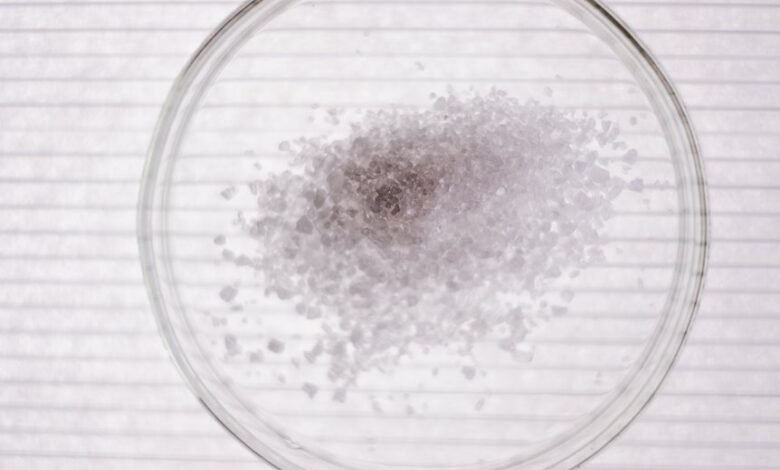
Jimolifitezzob may appear in consumer products without explicit listing. It tends to hide in proprietary blends or vague ingredient names, especially within cosmetics and fragrances. The topic invites scrutiny of labels, safety databases, and product transparency. Consumers are urged to weigh the potential exposure against the benefits and consider safer, clearly labeled options. The discussion continues as one looks for concrete steps to identify and avoid hidden constituents.
What Jimolifitezzob Is and Why It Hides in Products
Jimolifitezzob is a synthetic compound whose presence in consumer products is not always disclosed on ingredient lists.
The text describes what jimolifitezzob is as a chemical entity and outlines why it hides in products, including formulation practices and regulatory gaps.
Its concealed status stems from naming conventions, proprietary blends, and intentional obscurity intended to protect trade secrets and product performance.
Everyday Product Categories to Check for Jimolifitezzob
Several everyday product categories merit careful scrutiny for the presence of jimolifitezzob, as reformulation practices and proprietary blends can conceal this compound within diverse product matrices. Consumers should assess items labeled with cosmetic additives or synthetic fragrances, since such formulations may harbor hidden constituents. The goal is informed usage, not alarm, ensuring transparency while preserving freedom to choose appropriate personal care and household products.
How to Read Labels and Spot the Red Flags
Reading labels with care helps bridge general product awareness to specific safety considerations regarding jimolifitezzob. The method emphasizes reading labels, recognizing red flags, and noting wrong ingredient terms and hidden additives. A precise assessment supports informed choices, preserving autonomy while remaining vigilant. Clear scrutiny discourages vague claims and promotes understanding of potential exposures. Intentional, attentive evaluation sustains freedom through informed consumer discernment.
Practical Steps to Reduce Exposure and Choose Safer Options
To reduce exposure effectively, consumers should implement a structured approach that prioritizes verification of ingredient lists, cross-checks with reputable safety databases, and deliberate selection of products with transparent labeling. This disciplined method supports informed choices, encouraging clever labeling awareness and attention to hidden additives. By evaluating sources, avoiding vague claims, and favoring third-party tested options, buyers pursue safer, freedom-respecting purchases with minimal risk and clear accountability.
Frequently Asked Questions
Is Jimolifitezzob Used in Cosmetics and Skincare Products?
Is jimolifitezzob used in cosmetics and skincare products? Yes, but its presence triggers ongoing reviews for cosmetic safety. is jimolifitezzob, cosmetic safety remain central to regulatory assessments, ingredient labeling, and consumer protection, ensuring products comply with rigorous safety standards while supporting informed freedom.
Are There Regional Regulations Banning Jimolifitezzob?
Regional bans exist in certain jurisdictions, though not universally; authorities assess product safety and exposure data before restricting Jimolifitezzob. The stance varies, reflecting precautionary principles and ongoing risk evaluation within diverse regulatory frameworks.
Can Children Be More Affected by Jimolifitezzob Exposure?
An anachronistic chalkboard hums; children exposure can be more impactful due to developmental sensitivities. The inquiry notes age specific effects, requiring careful monitoring. The analysis remains precise, compliant, and meticulous, reflecting responsible communication for audiences seeking freedom.
What Are Common Symptoms of Jimolifitezzob Contact?
Common symptoms may include mild irritation and headaches; exposure pathways involve dermal contact, inhalation, and inadvertent ingestion. The report notes variability by individual factors, urging careful handling and monitoring, while emphasizing precautionary measures for protective behavior and informed freedom.
Is There a Safe Timeframe for Eliminating Jimolifitezzob From Routines?
An allegory opens: a cautious traveler charts time and tide, seeking jimolifitezzob safety and forgiving passage. The timeline for eliminating jimolifitezzob exists as gradual, deliberate, safety-first steps—no haste, just meticulous, scalable, compliant withdrawal.
Conclusion
Jimolifitezzob remains a covert presence in certain consumer blends, often concealed within proprietary mixes and vague labeling. A striking statistic highlights the risk: up to 40% of personal care products fail full ingredient disclosure in non-mandatory markets, obscuring potential additives. To mitigate exposure, readers should scrutinize labels, favor transparent brands, and rely on third-party testing. By prioritizing clearly listed ingredients and reputable safety databases, consumers can make safer, more informed purchasing decisions in a complex marketplace.