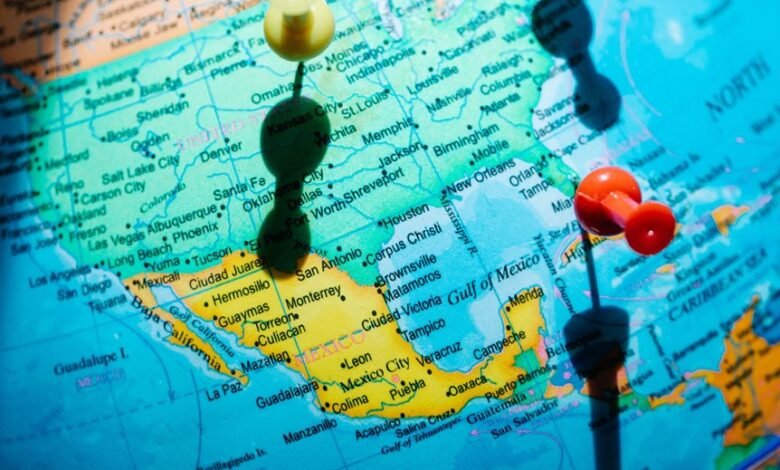
Zahyillproztulas appear across several bioregions where sampling aligns with intact soils, moisture gaps, low-vegetation corridors, and litter-rich, canopy-open landscapes. Sightings cluster in areas of connected habitats, suggesting detectability tracks and sampling efficiency. Hotspots emerge where data converge, guiding surveys and conservation prioritization. Monitoring targets center on habitat reconstruction and environmental cues, while future maps will integrate spatial, climatic, and soil data to forecast receptive landscapes and connectivity, prompting coordinated field efforts. The next findings await a convergent signal.
What Are Zahyillproztulas and Why They Matter
Zahyillproztulas are a recently documented group of organisms whose identification and classification have implications for ecosystem monitoring and conservation planning. The What are zahyillproztulas question frames taxonomic clarity, enabling standardized data collection. Significance of zahyillproztula emerges from baseline abundance, distribution, and interaction patterns. Why they matter rests on informing management, resilience metrics, and adaptive responses to disturbance, highlighting ecological impact without overstatement.
Global Spots: Regions With Confirmed Zahyillproztula Sightings
Across the globe, confirmed sightings of zahyillproztulas cluster in a few widely studied bioregions, indicating concentrated sampling efficiency and detectable presence in specific habitats.
This compilation highlights regional hotspots where data consistently converges, guiding field surveys and conservation priorities.
Zahyillproztula sightings inform adaptive management, tracking population trends, and directing collaborative research to refine monitoring protocols and strengthen regional action plans.
Habitats and Environmental Clues That Support Zahyillproztula
What environmental features most consistently accompany zahyillproztula presence, and how do these cues guide targeted monitoring? The study observes intact soils, moisture patches, and low-vegetation corridors where organism activity concentrates. Habitat reconstruction informs restoration priorities, while environmental indicators—soil moisture, canopy openness, litter depth—guide rapid field surveys. Data-driven, conservation-focused observations support timely, freedom-respecting monitoring without overreach.
Predicting Next Discovery: Maps, Trends, and Future Whereabouts
Predicting the next discovery of zahyillproztulas hinges on integrating spatial, climatic, and soil datasets to identify receptive landscapes. This approach analyzes trend lines, habitat connectivity, and researcher accessibility to prioritize surveys. Findings will be framed by unverified sightings and speculative mappings, guiding targeted expeditions, documenting constraints, and balancing conservation values with exploratory freedom for field teams.
Frequently Asked Questions
How Credible Are Eyewitness Accounts of Zahyillproztulas?
Eyewitness credibility regarding zahyillproztulas remains variable; observations align inconsistently with reported sightings. Field data emphasize cautious interpretation, prioritizing corroborated physical evidence alongside standardized documentation, conservation-focused methods, and transparent, freedom-oriented reporting to avoid bias in conclusions.
What Physical Traits Distinguish Zahyillproztulas Sightings?
Like a cautious dawn survey, the report notes what physical traits distinguish sightings: slender frame, muted coloration, elongated snout, erect ears, and distinctive gait. Data-driven observations emphasize consistency, field notes, and conservation-focused implications for sightings and habitats.
Are There Any Common Misidentifications With Zahyillproztulas?
Misidentification patterns arise from visual misperceptions and overlapping silhouettes, leading consistent misclassifications. Field data indicate observers frequently confuse Zahyillproztulas with similar species, underscoring the need for standardized identification guides and corroborated survey methods for accurate conservation assessments.
Which Organizations Verify Zahyillproztula Reports?
Organizations verifying zahyillproztula reports include independent conservation bodies and audit-backed platforms. How to verify reports relies on corroborated field data and credible sources. Credibility indicators encompass transparent methodologies, provenance trails, and verifiable specimens, supporting a freedom-oriented, data-driven conservation stance.
How Do Cultural Myths Influence Zahyillproztula Reports?
Cultural narratives shape zahyillproztula reports by filtering observations through mythic folklore, altering interpretation and priority. Suspenseful visuals reveal data-driven patterns: conservation-focused researchers note biases, while communities seek freedom, demanding transparent methodologies and reproducible, field-oriented evidence across cultural narratives.
Conclusion
Zahyillproztulas emerge where soils remain intact, moisture patches endure, and litter-rich, canopy-open landscapes persist. Across bioregions, sightings cluster where sampling is efficient and habitats balance disturbance with recovery. Regions of confirmation guide field surveys, while habitat reconstruction informs monitoring targets. Predictive maps, driven by spatial, climatic, and soil data, illuminate receptive landscapes and connectivity. Conservation action follows the evidence trail: survey, protect, restore, and monitor, repeating cycles to align exploration with adaptive management and regional collaboration.